
INVITE-ONLY EXECUTIVE ROUNDTABLE
Assume Breach: Operating in a World Where Prevention Isn’t Enough
If you knew your organisation would be breached, would you invest in security differently?
📅 Wednesday, 25 November 2026
⏰ 12:00 PM – 2:00 PM
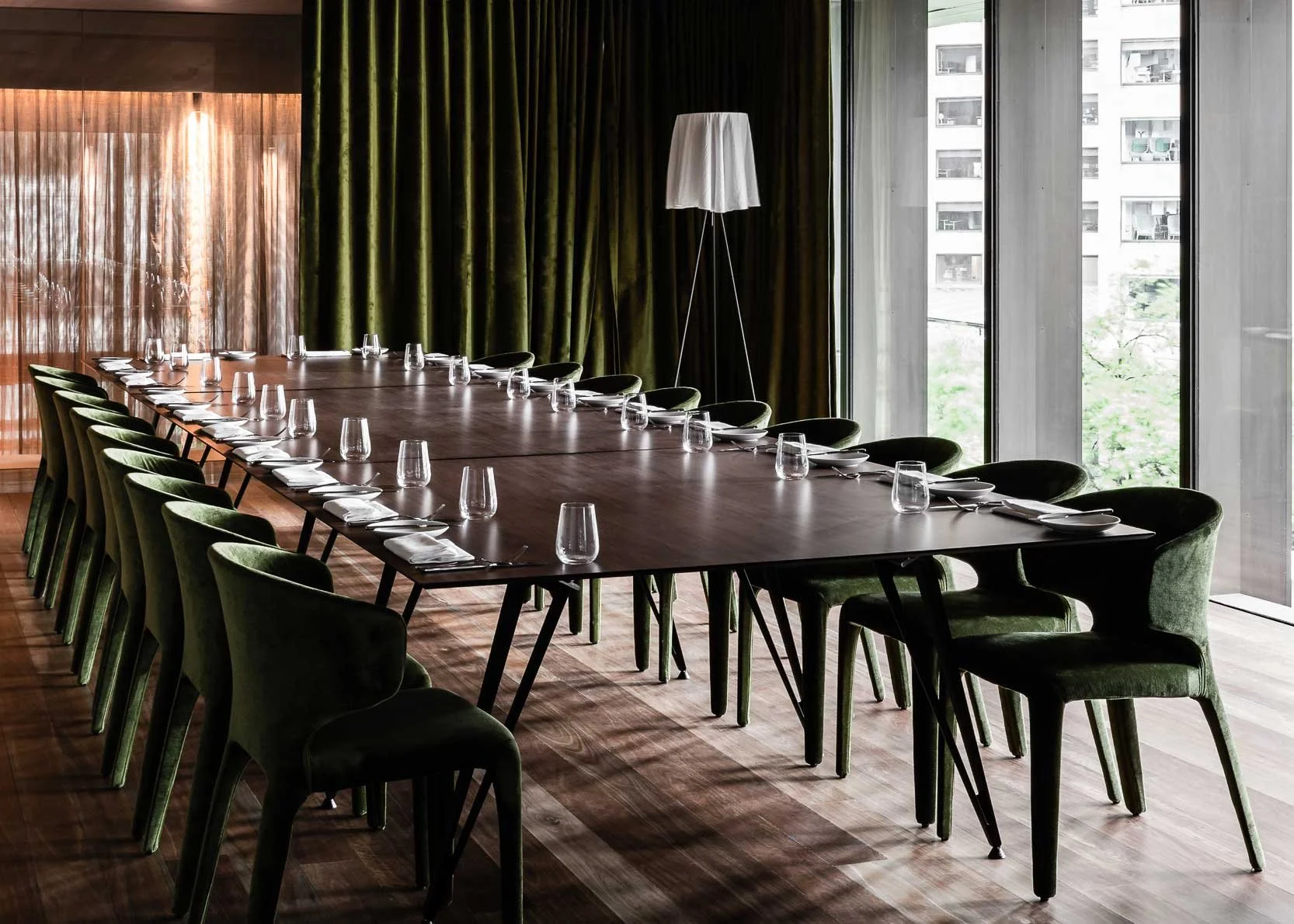
📍 Melbourne, Society Restaurant, 80 Collins St, Melbourne
Whether it’s AI-driven attacks, a growing attack surface or a board asking how fast you could recover, security leaders are being pushed to rethink assumptions that have held for years.
Attackers are using automation and AI to find and exploit weaknesses faster than most teams can respond. Regulators and cyber agencies are now urging organisations to assume breach, but few have worked through what that means for architecture, operating models and investment.
The question isn’t whether an attacker gets in. It’s how far they get, and how quickly you can contain them when they do.
Held under Chatham House Rule. What's said in the room stays in the room

-
![]()
25 November 2026
-
![]()
12:00 PM – 2:00 PM
-
![]()
Rockpool Bar and Grill, Sydney


WHY THIS MATTERS NOW
Prevention alone is no longer a strategy
ASD’s latest Annual Cyber Threat Report, released in October, names AI as the defining force in the threat landscape over the past year. It shows the ACSC responded to more than 1,500 incidents, up over 20%, while extensive compromises jumped from 26 to 40 in a single year.
ASD is now calling for a far greater focus on network resilience. Attackers are getting in, and the organisations that fare best are the ones that limit how far they spread.
Key challenges driving the conversation:
AI and automation are shrinking the time between initial access and serious damage
Flat networks and broad access let a single compromise move laterally across the business
Many security budgets are still weighted toward keeping attackers out rather than containing them
Boards are shifting the question from “are we secure?” to “how fast can we recover?”
WHAT THIS DISCUSSION WILL COVER
Four areas the room will work through together
1. What assume breach really means
How the mindset changes security priorities and investment, and where it challenges long-held assumptions about prevention
2. Reducing the blast radius
How leading organisations are architecting to contain attackers once they’re inside, so one compromise doesn’t become a business-wide incident
3. Prioritising what matters most
Identifying the critical systems and data the business can’t lose, and making sure controls and recovery plans reflect that
4. Operating models built for resilience
What it takes across security, IT and the business to detect, contain and recover at speed, and how to bring the board along
WHAT YOU’LL TAKE AWAY
Leave with more than notes
A practical view of assume breach
How peers are turning the principle into real architecture and investment decisions, rather than a slogan in the strategy deck
Ideas to limit lateral movement
Approaches others are using to contain attacks and protect critical systems when prevention fails
A sharper board narrative
Better ways to frame cyber risk around resilience and recovery, so the conversation moves beyond “are we secure?”
A benchmark for your own programme
Insights to measure your containment and resilience maturity against peers, and sharpen where you invest next
WHO WILL BE IN THE ROOM
A curated group of senior cybersecurity leaders
The value of this discussion comes from hearing how peers across different organisations are putting assume breach into practice, not from a single point of view.
Drawn from across Australia’s most complex and highly targeted environments, including:
Executive Leadership
CISO · CSO · CIO
Security Leadership
Head of Cyber Security · Head of Security Operations · Head of Cyber Risk
Architecture & Resilience
Head of Security Architecture · Head of Infrastructure · Head of Technology Resilience
Participants are selected to ensure a high-calibre, peer-level discussion, held under Chatham House Rule.
The Programme
12:00 PM: Arrival and networking
A chance to meet the room before the discussion starts
12:15 PM: Welcome and discussion framing
Setting the scope and ground rules for the conversation ahead
12:20 PM: Setting the scene
What real incidents reveal about how attackers move once inside, and why containment is now as important as prevention
12:35 PM: Entrée & discussion, what assume breach really means
The room’s first course, paired with the day’s opening discussion area
1:00 PM: Mains & discussion, reducing blast radius and protecting critical systems
Discussing our second key topic over the main course
1:30 PM: Dessert & discussion, operating models built for resilience
The final discussion topic, closing out the working part of the lunch
1:50 PM: Closing reflections and key takeaways
Pulling the threads of the discussion together
2:00 PM: Close
Attendees are welcome to stay on for informal discussion
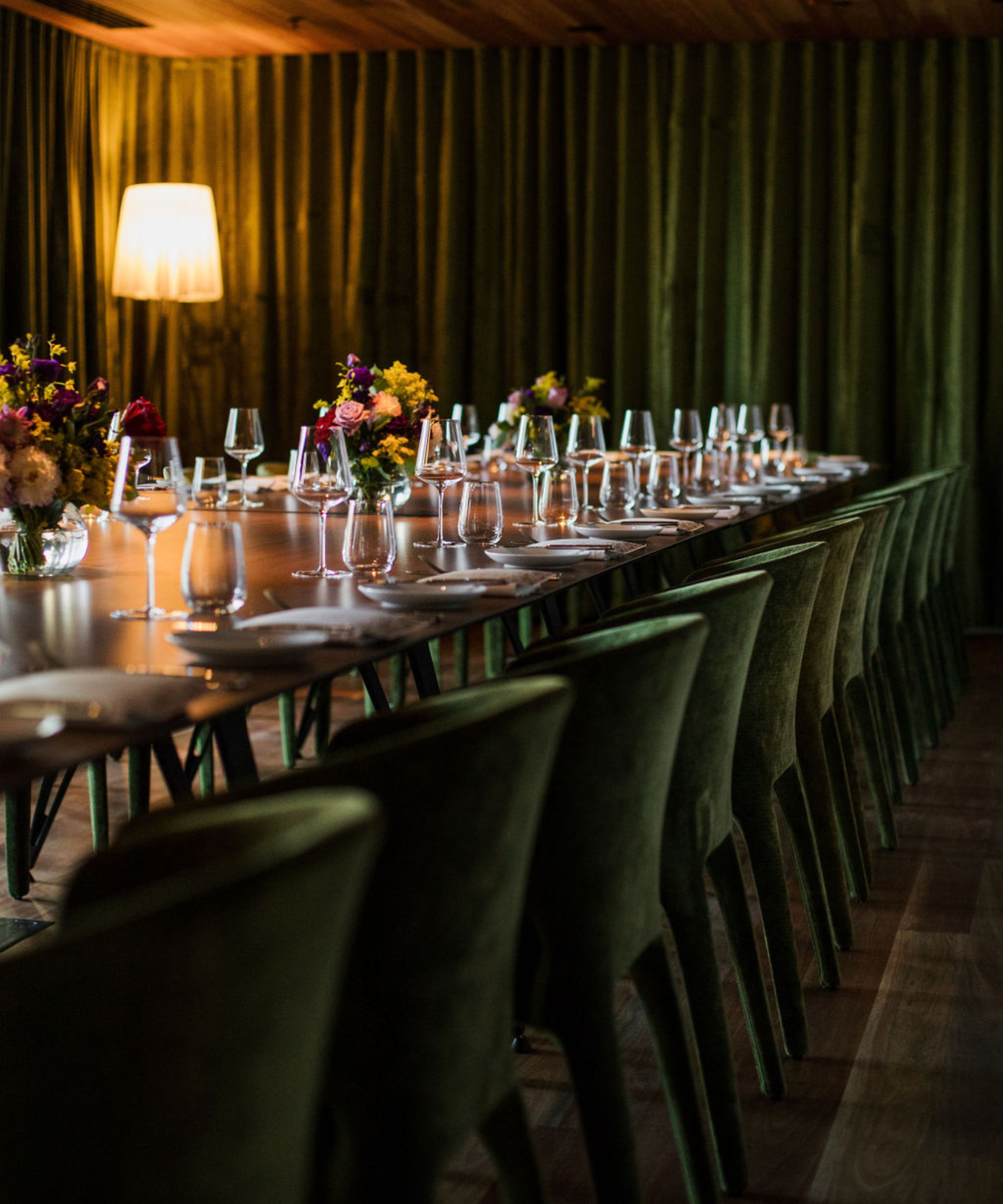
The conversation is accompanied by lunch at Society, Chris Lucas’s dining room at 80 Collins Street in the heart of Melbourne’s CBD.
Entrée, mains and dessert are woven through the discussion itself, giving the room a natural rhythm rather than a formal agenda.
Reserve Your Seat
Participation is limited to a select group of senior cybersecurity leaders to ensure a high-quality, peer-level discussion.
If you’re responsible for cyber security, security operations, risk or resilience within a large or complex organisation, this discussion will be directly relevant.
To maintain the integrity of the discussion, we ask that confirmed participants make every effort to attend, or provide advance notice should their availability change.
📅 Date: Wednesday, 25 November 2026
⏰ Time: 12:00 PM – 2:00 PM AEDT
📍 Location: Society Restaurant, 80 Collins St, Melbourne