
INVITE-ONLY EXECUTIVE ROUNDTABLE
Evolving IT Operations in the Age of AI and Automation
Moving from reactive firefighting to predictive, autonomous IT operations, and what it actually takes to get there.
📅 Thursday, 29 October 2026
⏰ 12:00 PM – 2:00 PM
📍 Society Restaurant, 80 Collins St, Melbourne
Whether it's rising operational costs, alert fatigue or the pressure to make AI trustworthy enough to act on its own, IT leaders are being asked to prove their operations can keep pace.
AI is changing what's possible in IT operations. Teams are moving from dashboards and tickets toward agents that detect, diagnose and resolve issues before anyone notices. Most organisations are discovering their operational foundations, the data, the visibility, the trust, aren't ready for that shift yet.
The question isn't whether AI becomes part of IT operations. It's whether your operational foundation is trustworthy enough to let it act.
Held under Chatham House Rule. What's said in the room stays in the room, so the conversation can be direct.
-
![]()
October 29th, 2026
-
![]()
12:00 PM – 2:00 PM
-
![]()
Society Restaurant, 80 Collins St


WHY THIS MATTERS NOW
The gap between AI ambition and operational readiness is widening
New research from Data Driven, based on 213 Australian technology decision-makers representing close to A$1 trillion in revenue and public sector budgets, shows how wide that gap has become. 68.1% of organisations are already using AI in production or at scale.
Yet 37.9% of that group rate their own AI-ready infrastructure below mature. Adoption is running well ahead of the operational foundations meant to support it.
Key challenges driving the conversation:
Fragmented monitoring and untrusted CMDBs mean most IT teams are flying without a reliable source of truth
Alert fatigue and tool sprawl are slowing teams down at the exact moment speed matters most
AI can't be trusted to act autonomously until the operational data underneath it can be trusted first
The organisations pulling ahead aren't the ones running the most AI pilots, they're the ones closing the readiness gap fastest
WHAT THIS DISCUSSION WILL COVER
Four areas the room will work through together
1. Closing the readiness gap
Why AI adoption is outpacing operational readiness, and what that gap looks like in practice inside real IT operations teams
2. Building a single source of truth
How leading organisations are getting a trusted, unified view of their IT assets and services, and why that foundation has to come first
3. From reactive to predictive
What it actually takes to shift from firefighting incidents to predictive, autonomous operations that prevent disruption before it happens
4. Governance for autonomous agents
What governance needs to look like before AI agents can be trusted to act on IT operations without a human in the loop
WHAT YOU’LL TAKE AWAY
Leave with more than notes
A single pane view of what's possible
What it actually takes to get one trusted, unified view across your IT operations, rather than a patchwork of fragmented tools
An aligned strategy and roadmap
A clearer sense of the sequencing, what has to be true before what, to build toward autonomous operations without getting ahead of yourself
A view into greater enterprise service management
How peers are extending automation into ESM to cut ticket volume, cost and complexity across the business
A benchmark for your own programme
Insights to measure your operational maturity against the market, and sharpen how you define your AI strategy going forward
WHO WILL BE IN THE ROOM
A curated group of senior IT and technology leaders
The value of this discussion comes from hearing how peers across different organisations are actually approaching the shift to autonomous IT operations, not from a single point of view.
Drawn from across Australia's most complex and fast-moving IT environments, including:
Executive Leadership
CIO · CTO · CISO
IT Operations & Service Management
Head of IT Operations · Head of Service Management
Architecture & Engineering
Principal of Enterprise Architecture · Head of Cloud Architecture · Head of IT Engineering
Participants are selected to ensure a high-calibre, peer-level discussion, held under Chatham House Rule.
The Programme
12:00 PM: Arrival and networking
A chance to meet the room before the discussion starts
12:15 PM: Welcome and discussion framing
Setting the scope and ground rules for the conversation ahead
12:20 PM: Setting the scene (Craig Baty, Data Driven)
Exclusive research into business challenges and strategic ICT initiatives, opening the discussion with the data behind the gap
12:35 PM: Entrée & discussion, closing the readiness gap
The room's first course, paired with the day's opening discussion area
1:00 PM: Mains & discussion, from single source of truth to predictive operations
Continuing over the main course. Moderated by Craig Baty, Data Driven
1:30 PM: Dessert & discussion, governance for autonomous agents
The final discussion area, closing out the working part of the lunch
1:50 PM: Closing reflections and key takeaways
Pulling the threads of the discussion together.
2:00 PM: Close
Attendees are welcome to stay on for informal discussion..
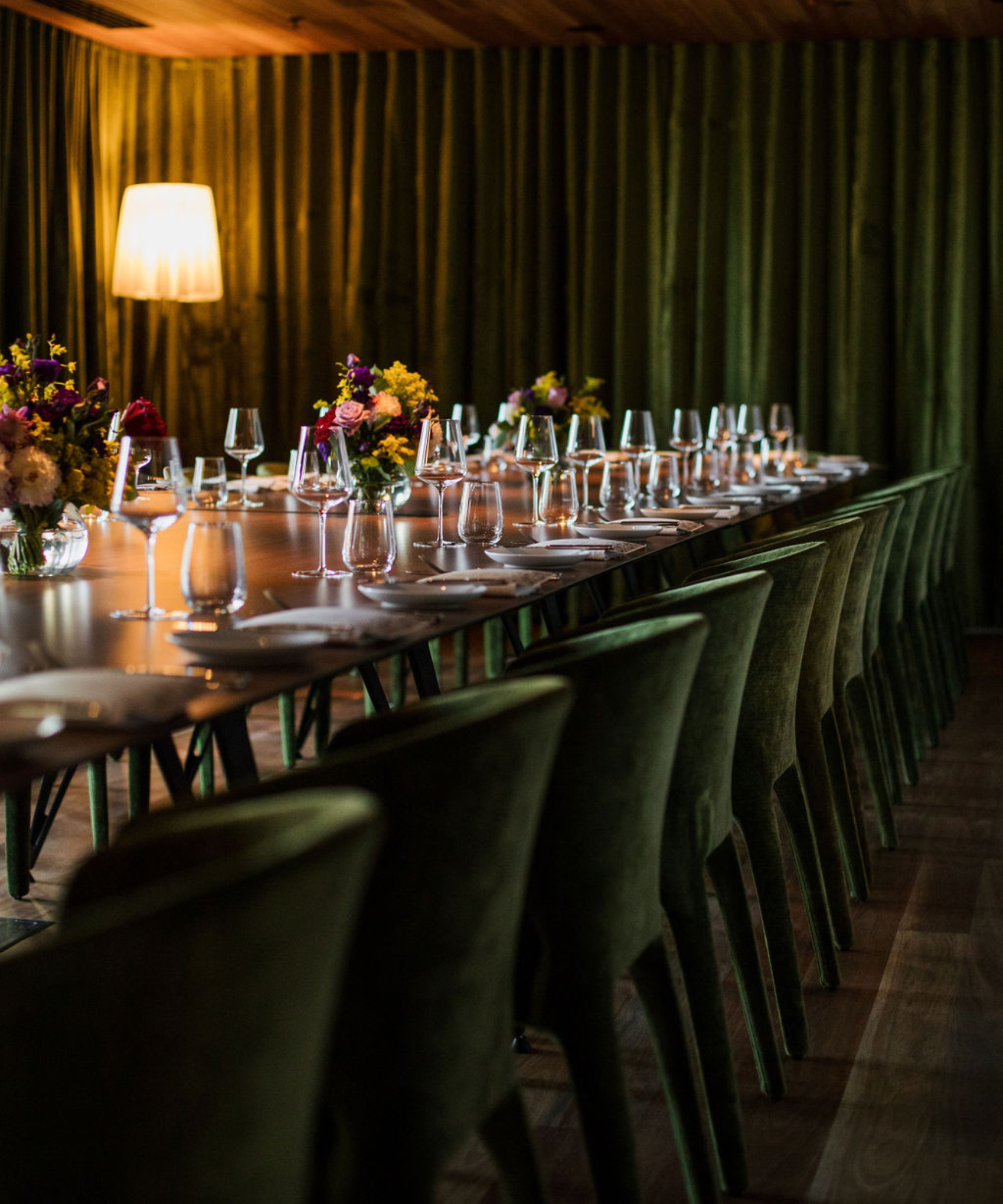
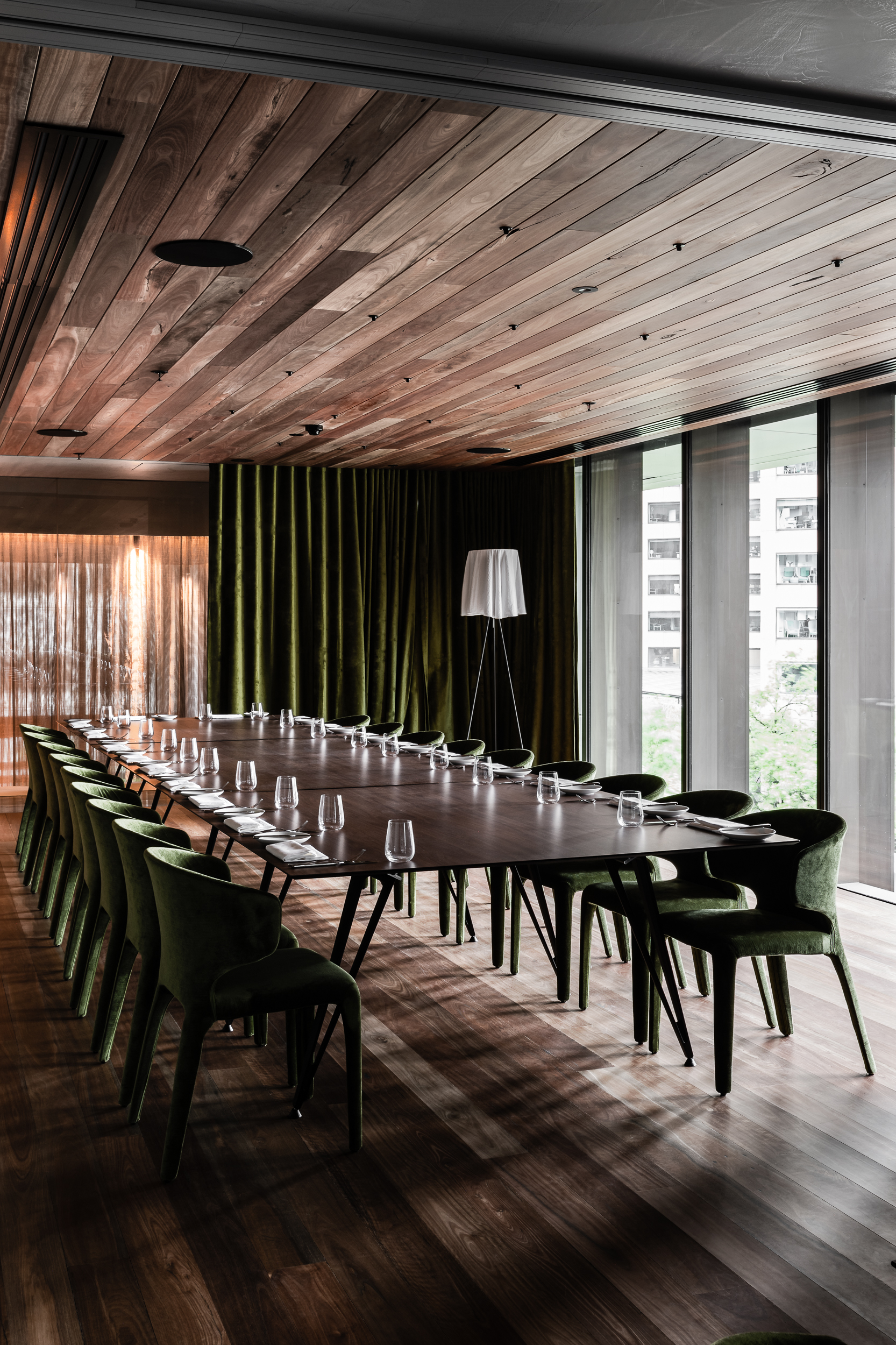
The conversation is accompanied by lunch at Society, Chris Lucas's dining room at 80 Collins Street in the heart of Melbourne's CBD.
Entrée, mains and dessert are woven through the discussion itself, giving the room a natural rhythm rather than a formal agenda.
Reserve Your Seat
Participation is limited to a select group of senior IT and technology leaders to ensure a high-quality, peer-level discussion.
If you're responsible for IT operations, service management, cloud or enterprise architecture within a large or complex organisation, this discussion will be directly relevant.
To maintain the integrity of the discussion, we ask that confirmed participants make every effort to attend, or provide advance notice should their availability change.
📅 Date: Thursday, 29 October 2026
⏰ Time: 12:00 PM – 2:00 PM AEST
📍 Location: Society Restaurant, 80 Collins St, Melbourne