

FUTR of Financial Services Melbourne 2026
Unifying Victoria’s financial innovators to drive smarter compliance, advanced analytics, digital trust, and workforce transformation.
📅 Thursday, June 11th 2026
📍 Crown Conference Centre, Melbourne
⏰ 9:00 AM – 4:30 PM
-
![]()
June 11, 2026
-
![]()
9:00 AM – 5:00 PM
-
![]()
Crown Conference Centre, Melbourne


Victoria’s Leadership Summit for Future-Ready Financial Services
Australia’s financial sector is accelerating into a new era, one defined by digital transformation, regulatory reset, and the convergence of AI, data, and customer trust.
The FUTR of Financial Services Melbourne Forum brings together more than 400 senior leaders across banking, insurance, superannuation, payments, and fintech to explore what’s next.
Across a day of keynotes, leadership dialogues, and peer exchanges, the forum examines how technology, risk, and innovation unite to deliver resilience, relevance, and growth.
Key Themes
Regulatory innovation, resilience, and compliance
Digital modernisation and cloud transformation
AI, data, automation, and analytics for operational excellence
Customer trust, inclusion, and omni-channel experience
ESG, sustainability, and business adaptability
Workforce capability and future-ready leadership
WHO ATTENDS
Senior decision-makers from banks (major, regional, digital), insurers, wealth managers, super funds, asset managers, payments providers, mutuals, and fintechs
Executives across technology, transformation, product, data, strategy, digital, operations, customer, risk, compliance, cyber and fraud, ESG, and people and culture
Regulatory and government policy leaders, industry bodies, platform partners, consultancies, and ecosystem stakeholders
Leaders in customer experience, service design, operations, learning and capability, and enterprise delivery
Our Speakers
-

Bhaskar Katta
GENERAL MANAGER - GROUP CUSTOMER OPERATIONS
WESTPAC -

Erin Birch
GENERAL MANAGER GROUP TRANSFORMATION & AI-POWERED DELIVERY
COMMONWEALTH BANK -

Anthony Hope
EXECUTIVE (GENERAL MANAGER) AML/CTF/FRAUD & FCR INNOVATION
NAB -

Jackie Kallman
HEAD OF PAYMENTS INDUSTRY AND ENGAGEMENT
ANZ -

Kamil Bober
GENERAL MANAGER, ENTERPRISE TECHNOLOGY
LATITUDE FINANCIAL SERVICES -

Jorden Lam
GENERAL MANAGER / HEAD OF MEMBER SERVICES & OPERATIONS
HESTA -

John Ellis
GLOBAL HEAD OF SECURITY TRUST & INFLUENCE
QBE -

Georgie Obst
GENERAL MANAGER, DIGITAL
HESTA -

Prithesh Prabhu
HEAD OF DIGITAL PRODUCT, CUSTOMER DATA REFRESH & CRS/FATCA
NAB -

Lachlan Davidson
GENERAL MANAGER, CUSTOMER STRATEGY & PERFORMANCE BUPA
-

Daisy Wong
HEAD OF SECURITY AWARENESS
MEDIBANK -
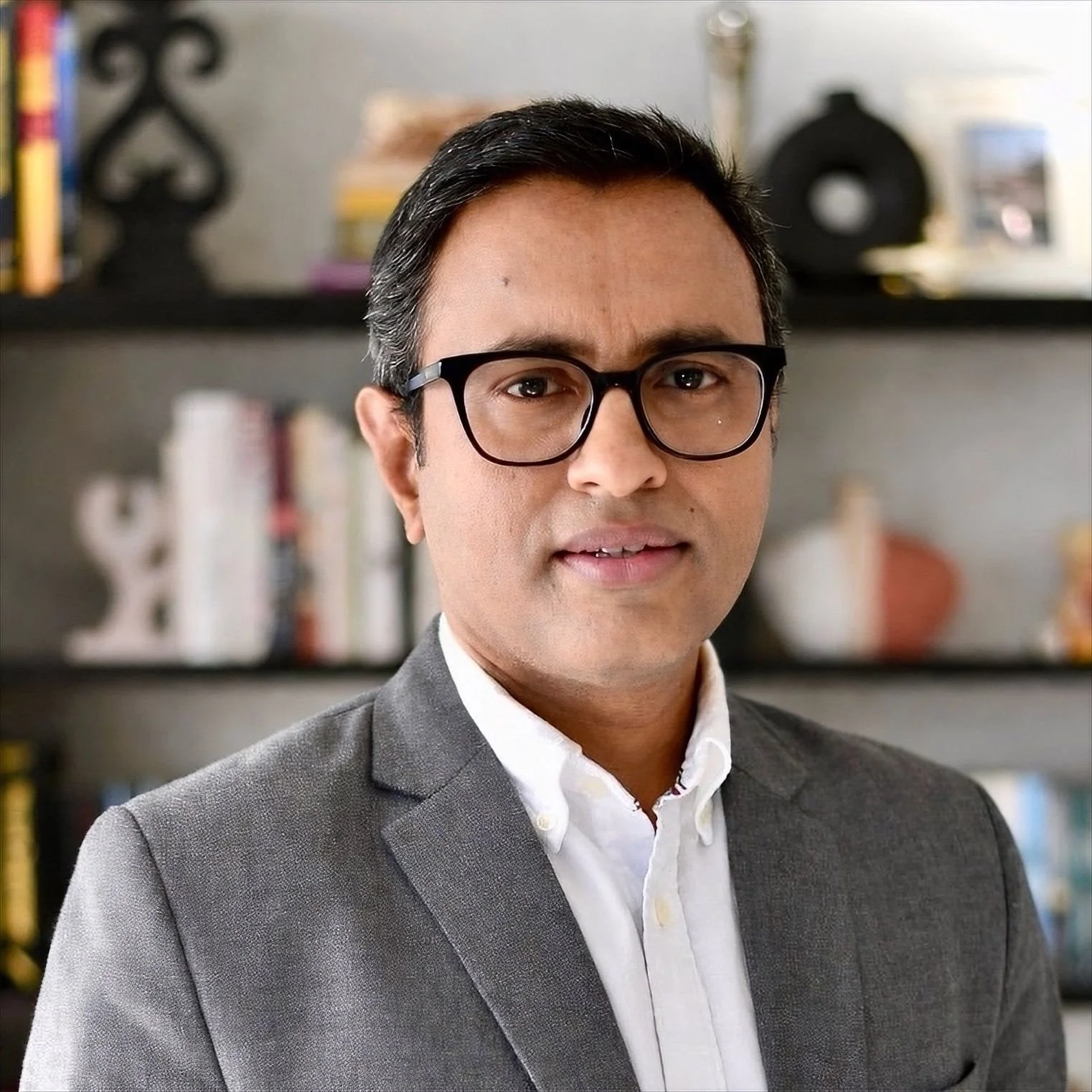
Debarshi Sanyal
HEAD OF FINANCIAL RISK MODELLING
BENDIGO BANK -

Chris Luttrell
HEAD OF PROCESS DESIGN & CHANGE
ZURICH -

Amanda Barker
HEAD OF CORPORATE SUSTAINABILITY & SOCIAL IMPACT
AWARE SUPER -

Thomas Janssen
HEAD OF DATA ARCHITECTURE & GOVERNANCE
JUDO BANK -

Meghan O'Sullivan
HEAD OF FUTURE SKILLS AND WORKFORCE
NAB -
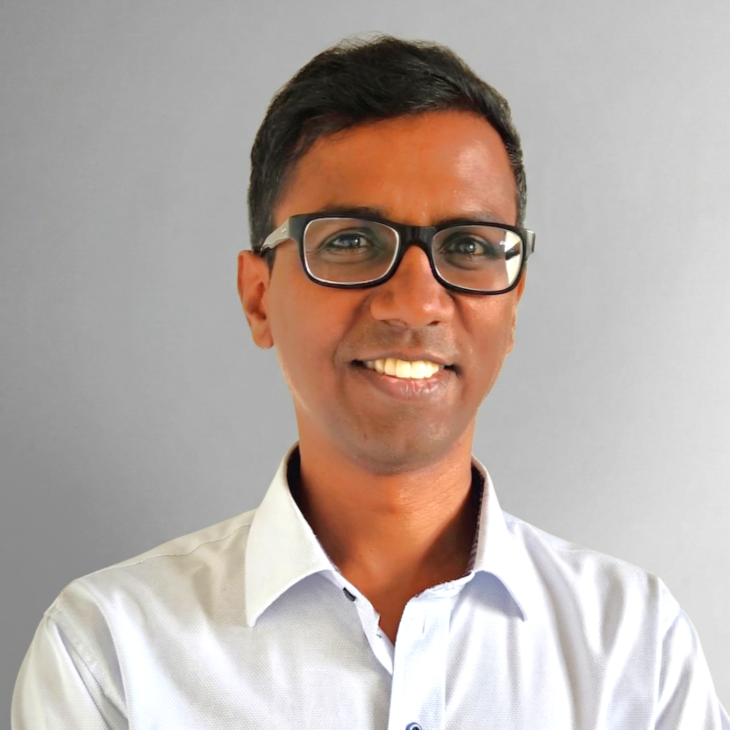
Abhi Toraskar
HEAD OF DATA AND ANALYTICS MACQUARIE BANK
-

Ingrid Gotz
GENERAL MANAGER, DIGITAL, COMPLIANCE & CONTINUOUS IMPROVEMENT
AHM HEALTH INSURANCE -
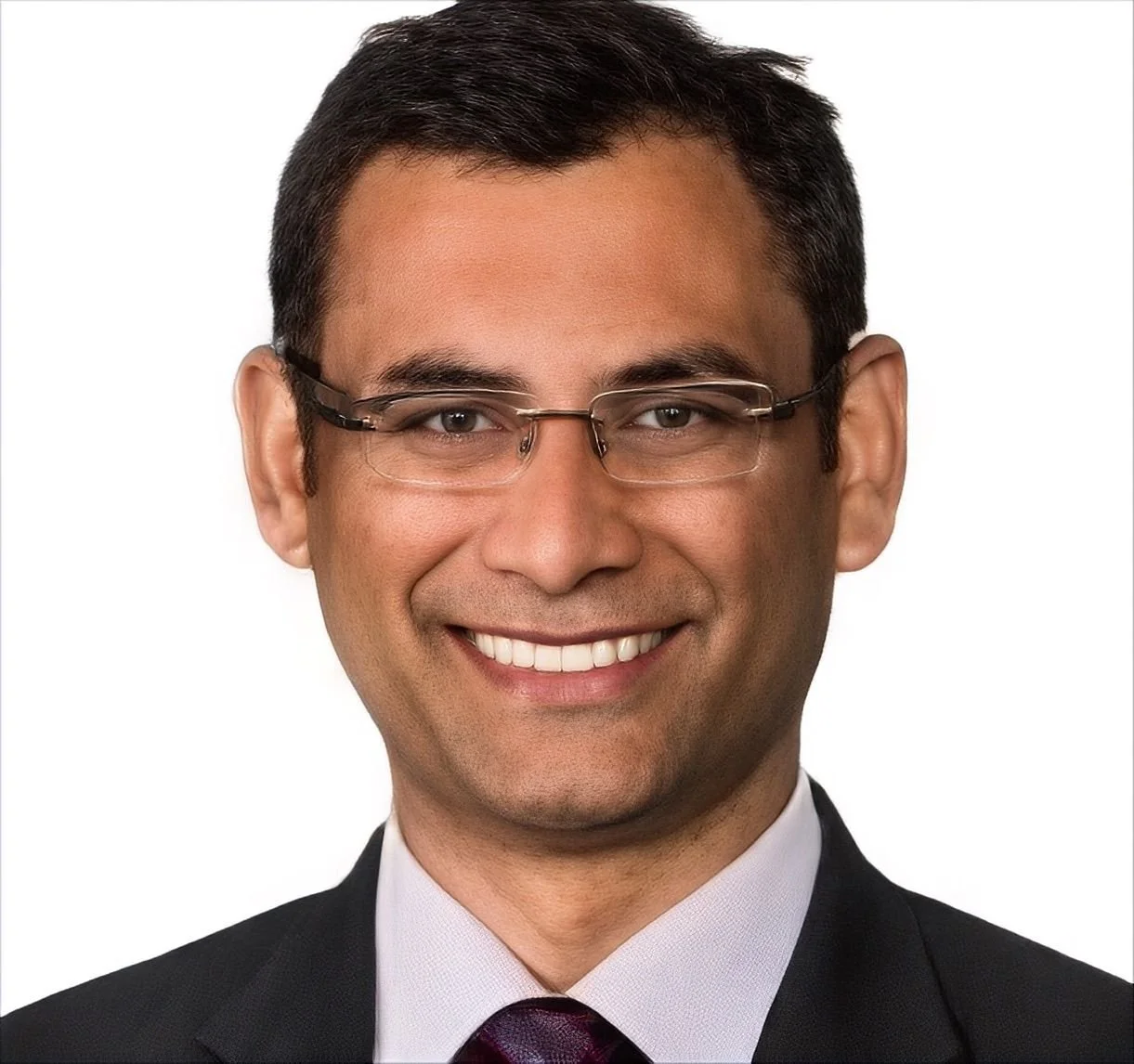
Sandeep Taileng
INFORMATION SECURITY LEADER, TECHNOLOGY & TRANSFORMATION
STATE TRUSTEES -

Tim Sparks
HEAD OF DATA SCIENCE & AI
QBE -

Anya Avinash
HEAD OF CYBERSECURITY
BANK FIRST -

Shraddha Potay
HEAD OF PLANNING, PERFORMANCE, & LEADERSHIP CAPABILITY
BENDIGO BANK -
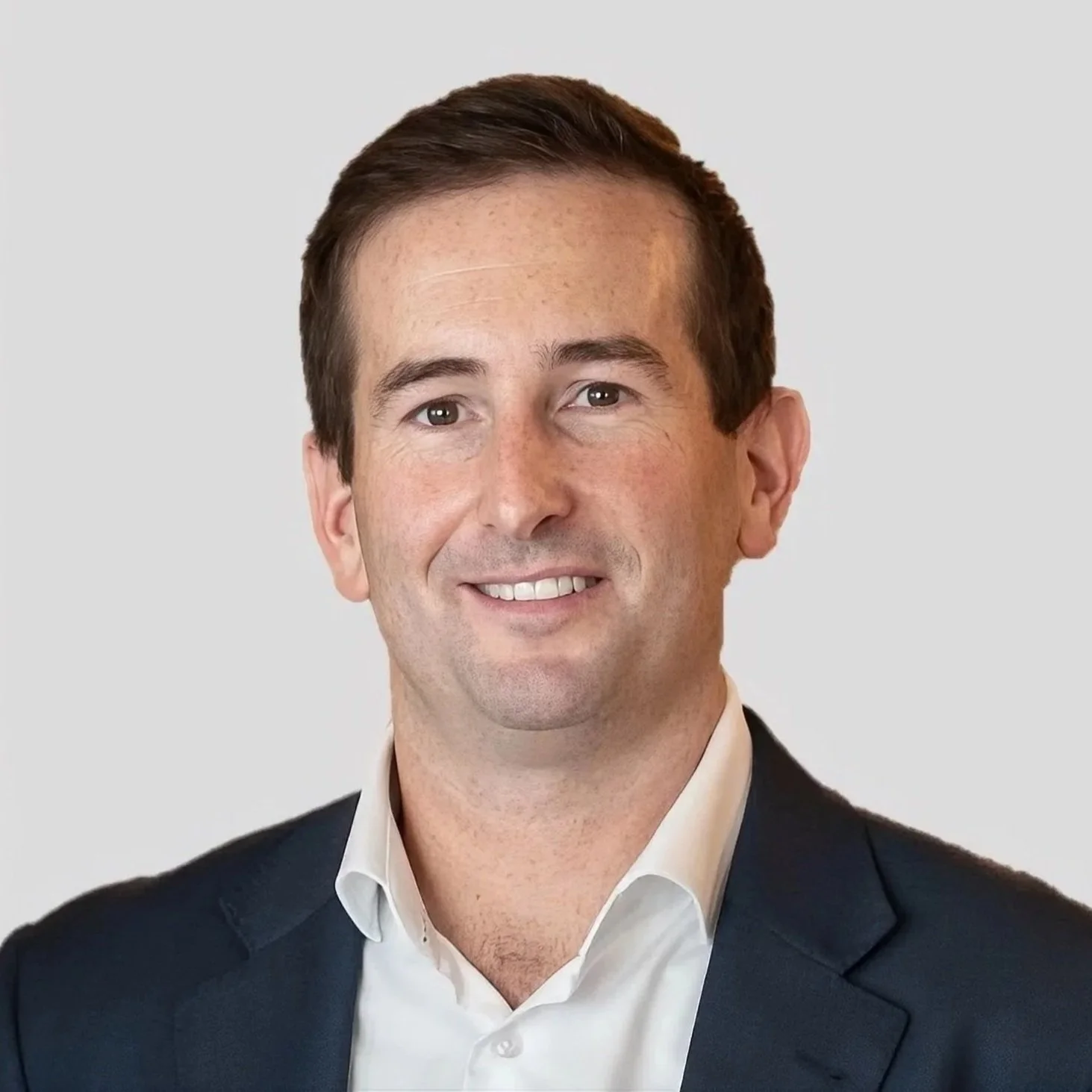
Sean Quagliani
CEO & CO-FOUNDER
FORTIRO -

Paul Arthur
REGIONAL VICE PRESIDENT - ANZ
OUTSYSTEMS -

Michelle Sidhu
PRINCIPAL CUSTOMER SUCCESS MANAGER
THOUGHTSPOT -

Simon Laskaj
ANZ COUNTRY MANAGER
Confluent -

Michael Wingert
DIRECTOR, SOLUTION ENGINGEERING, APAC & JAPAN
SITECORE -

Luke Hannan
EVENT CHAIR & MODERATOR
FUTR
Preliminary Agenda
Subject to refinement as speakers and sessions are finalised.
-
-
How operating models are evolving to support automation and more consistent execution across large-scale operations
Simplifying and standardising complex processes while maintaining reliability, control and customer outcomes
Aligning operations, technology and data to deliver at scale in a complex, regulated environment
o Bhaskar Katta, General Manager, Group Customer Operations, Westpac
-
Hear an honest, behind-the-scenes look at the architecture and technical decisions that turned AI-powered analytics from ambition into reality at Macquarie Bank
Discover how to tackle the human side of transformation, including the change management, cultural shifts, and stakeholder buy-in needed to move business teams beyond static dashboards
Walk away with practical strategies to drive greater adoption, accessibility, and business value from your data environment
o Abhi Toraskar, Head of Data and Analytics, Macquarie Bank
o Michelle Sidhu, Principal Customer Success Manager, Thoughtspot
-
How institutions are applying AI and analytics to improve decision quality, efficiency, and outcomes across the enterprise
The data foundations required for responsible AI, including quality, governance, transparency, and monitoring
Leadership, skills, and change practices needed to embed AI confidently and sustainably at scale
PANELISTS:
Thomas Janssen, Head of Data Architecture & Governance, Judo Bank
Erin Birch, General Manager, Group Transformation & Ai-Powered Delivery, CBA
Tim Sparks, Head of Data Science & AI, QBE
Prithesh Prabhu, Head of Digital Product, Customer Data Refresh & CRS/FATCA, NAB
Simon Laskaj, ANZ Country Manager, Confluent
-
-
Simplifying complex service journeys to improve accessibility and outcomes for diverse member groups
Strengthening governance, consistency and trust as funds evolve service models and digital interactions
Leading operational transformation while maintaining clarity, confidence and support for members
o Jorden Lam, General Manager / Head of Member Services & Operations, HESTA
-
Scaling agentic AI beyond pilots, introducing governance, accountability, and control challenges
Managing multi-agent environments through orchestration, conflict resolution, compliance, and runtime visibility
Moving from isolated AI projects to governed, production-ready agent portfolios across the enterprise
o Paul Arthur, Regional Vice President - ANZ, Outsystems
-
Making critical decisions when the path forward isn’t clear
Navigating trade-offs in real time across customer outcomes, risk appetite and delivery pace
Maintaining clarity, accountability and pace as systems, expectations and scrutiny continue to increase
PANELISTS
Georgie Obst, General Manager, Digital, HESTA Super
Anya Avinash, Head of Cybersecurity, Bank First
-
How Australia’s payments rails are modernising, and what that means in practice for banks and customers
Balancing speed and convenience with the right level of “good friction”
Why network-wide adoption and coordination matter for resilience and confidence in the ecosystem
o Jackie Kallman, Head of Payments Industry & Engagement, ANZ
-
Where financial services brands are already losing visibility and being misrepresented across AI-driven discovery, and why accuracy is a compliance and trust issue, not just a marketing one
How fragmented content, disconnected data and inconsistent brand assets limit how AI understands your organisation, and what’s required to shift to structured, AI-ready content that can be surfaced, reused and trusted
How financial institutions are combining behavioural signals with AI-driven decisioning to deliver personalised experiences across the customer lifecycle, and what to measure as AI begins influencing pipeline, brand perception, retention and growth
Michael Wingert, Director Solution Engineering, APAC & Japan, Sitecore
-
-
How organisations make security and risk decisions when constraints are real, not theoretical
The trade-offs between protection, customer experience and operational impact
What those decisions mean for customer trust in practice
o John Ellis, Global Head of Security Trust & Influence, QBE
-
How generative AI is reshaping fraud: From AI-generated payslips and bank statements to synthetic identities and deepfakes, fraud is becoming faster, cheaper, and harder to detect at scale.
Why traditional controls are falling short: Legacy approaches are struggling to keep up with increasingly sophisticated AI-generated documents and organised fraud networks.
What lenders can do today: How AI-driven detection, document forensics, and network intelligence can reduce fraud losses, speed up decisions, and strengthen trust in digital onboarding.
Sean Quagliani, CEO & Co-Founder, Fortiro
-
The evolving fraud, scam and identity landscape as speed, connectivity and digital access continue to increase
Approaches to detecting, intervening and preventing fraud without disrupting legitimate customer activity
Balancing protection, customer experience and operational impact in high-volume, always-on environments
PANELISTS:
Daisy Wong, Head of Security Awareness, Medibank
Anthony Hope, Executive (General Manager) AML/CTF/Fraud & FCR Innovation, NAB
Sandeep Taileng, Information Security Leader, Technology & Transformation, State Trustees
-
How Bendigo Bank broke the cycle of gut-feel leadership and built a data-driven operating model capable of scaling with genuine growth ambition - reducing manual processes and freeing teams to focus on higher-value work
The cultural and capability shift required to make data the default language of operations - from frontline teams to budget-setting at the executive level - and how AI and automation are now accelerating that journey
What a 35% productivity uplift and a 50% improvement in time-to-decision reveals about what happens when people stop guessing and start knowing - and what comes next as intelligence gets embedded deeper into the operation
Shraddha Potay, Head of Planning, Performance, & Leadership Capability, Bendigo Bank
-
-
Designing services that remain simple, accessible, and fair across diverse customer needs and capabilities
Embedding transparency, suitability, and accountability into digital journeys and service models
Balancing automation and human support to improve outcomes, confidence, and long-term trust
PANELISTS:
Kamil Bober, General Manager, Enterprise Technology, Latitude Financial Services
Chris Luttrell, Head of Process Design & Change, Zurich
Ingrid Gotz, General Manager, Digital, Compliance and Continuous Improvement, ahm
Lachlan Davidson, General Manager, Customer Strategy & Performance, Bupa
-
Using skills intelligence as the critical data layer linking work design, talent strategy and workforce planning
Designing the Workforce of the Future, deliberately by connecting skills, strategic workforce planning and operating model decisions
Considering where AI augments work vs where it drives redesign
o Meghan O'Sullivan, Head of Workforce of the Future, NAB
-
Where AI is genuinely helping sustainability practice, and where it falls short
What happens to human judgement and critical thinking as we lean further into AI
Unintended harm in a digital-first world, and what that means for the people organisations are meant to serve.
o Amanda Barker, Head of Corporate Sustainability & Social Impact, Aware Super
-
-
Reserve Your Seat
Seats are limited and reserved for senior leaders shaping the future of Victoria’s financial services sector.
Please complete the form below to request your invitation. Confirmed participants will receive a calendar hold and event details by email.
📅 Date: June 11, 2026
📍 Location: Crown, Melbourne
⏰ Time: 9:00 AM – 5:00 PM
With thanks to our partners












Interested In Partnering with FUTR?
We work with a small number of aligned organisations to support meaningful, senior-level conversations across the financial services sector.