

FUTR of Financial Services New Zealand 2026
Delivering open banking, digital power, and sustainable transformation for New Zealand’s financial sector.
📅 Tuesday, August 11th 2026
📍 Cordis, Auckland
⏰ 9:00 AM – 4:30 PM
-
![]()
August 11, 2026
-
![]()
9:00 AM – 5:00 PM
-
![]()
Cordis Auckland


The 2026 FUTR of Financial Services New Zealand delivers the country’s leading platform for digital disruption, climate resilience, regulatory reset, and open finance. With next-gen solutions for core platform renewal, AI, regulatory action, customer trust, and sustainability, the summit is where NZ’s financial sector pioneers define best practice for performance in a challenging market. With over 350 IT leaders and innovators in attendance, this is truly an unmissable event.
Key Themes
Open finance, digital innovation, and platform resilience
AI scale-up, cyber defense, and fraud protection
Agility, regulatory action, and core renewal
Climate, ESG, and sustainable growth
Customer outcomes, experience, and operational excellence
Navigating an Industry in Transition
WHO ATTENDS
C-suite and senior executives in technology, digital, data, risk, operations, customer, compliance, and strategy from banks, insurers, fintechs, credit unions, and wealth managers
Functional leaders across payments, lending, product, customer experience, distribution, regulatory affairs, analytics, audit, and financial crime
Managers and specialists in IT, data platforms, cyber security, architecture, cloud, service operations, and enterprise delivery
Representatives from regulatory bodies, ESG and sustainability groups, industry associations, and consumer advocacy organisations
Our Speakers
-

Sharon Zollner
CHIEF ECONOMIST
ANZ NZ -

Craig Lauchlan
CHIEF INFORMATION OFFICER & EXECUTIVE GM TECHNOLOGY
SUNCORP NZ -

Angela Henderson
CHIEF INFORMATION & DELIVERY OFFICER
FIDELITY LIFE -
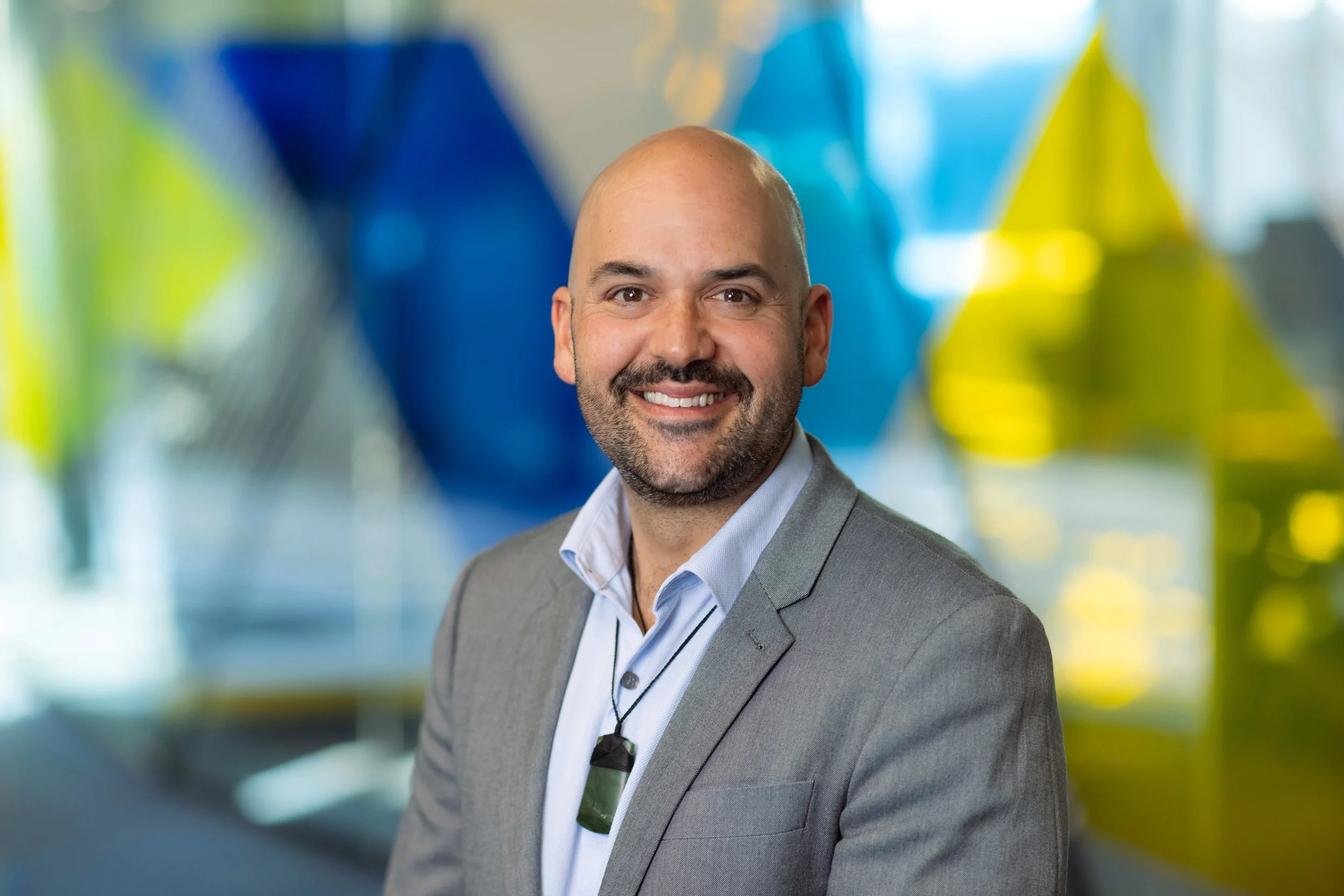
Mike Skeens
CHIEF OPERATING OFFICER
TOWER INSURANCE -

Steve Wiggins
CHIEF EXECUTIVE
PAYMENTS NZ -

Dan Wilkinson
CHIEF TECHNOLOGY OFFICER
MTF FINANCE -

Clive Pedersen
DEPUTY CHIEF RISK OFFICER
HEARTLAND BANK -

Penny Burgess
GENERAL MANAGER CUSTOMER DELIVERY
TSB BANK -

Paul Natac
CHIEF INFORMATION OFFICER & DEPUTY CHIEF EXECUTIVE OFFICER
PROVIDENT INSURANCE -

Jing Liu
CHIEF RISK OFFICER NZ
REVOLUT -

Grant McIvor
CHIEF DIGITAL OFFICER
SOUTHERN CROSS HEALTH INSURANCE -

Asya Ihanoa
CHIEF TECHNOLOGY OFFICER
GENERATE -

Anna Livesey
GENERAL MANAGER RETAIL PRODUCTS
ANZ NZ -

Wayne Kingi
HEAD OF OPERATIONAL DATA SERVICES
WESTPAC NZ -

Shivali Kukreja
HEAD OF RISK & COMPLIANCE
NIB NZ -

Michael Hewes
DIRECTOR - DEPOSIT TAKING, INSURANCE & ADVICE
FINANCIAL MARKETS AUTHORITY -

Rachel Harrison
HEAD OF DECISION SCIENCE & AI
ASB BANK -

Nikhil Ramrakhiani
CHIEF TECHNOLOGY OFFICER
PIE FUNDS -

Sukhjit Gill
HEAD OF RISK, COMPLIANCE & REGULATORY AFFAIRS
SOUTHERN CROSS HEALTH INSURANCE -

Matt Williams
HEAD OF CLAIMS SYSTEMS & STRATEGY
ANDO INSURANCE -

Kaushik GD
HEAD OF FINANCIAL SERVICES
SNOWFLAKE -

Stephanie Welsh
FINANCIAL SERVICES
INDUSTRY LEAD
DATABRICKS -

Luke Hannan
EVENT CHAIR & MODERATOR
FUTR
Preliminary Agenda
Subject to refinement as speakers and sessions are finalised.
-
-
How NZ's outlook is being shaped by inflation, wages, migration, the labour market and the path of monetary policy
What's driving divergence across industries, and what these signals mean for financial decision-making
How NZ institutions can plan for resilience amid global uncertainty, domestic adjustment and shifting consumption and credit behaviour
Sharon Zollner, Chief Economist, ANZ New Zealand
-
The sequencing, decisions and trade-offs behind modernising legacy environments at scale
Why simplifying systems and organisational complexity matters as much as the technology itself
What it takes to sustain momentum and deliver outcomes across a multi-year transformation journey
Craig Lauchlan, CIO, Executive General Manager, NZ Technology, Suncorp NZ
-
Simplifying products, processes and operations to reduce complexity, improve efficiency and enable better service delivery under sustained cost and transformation pressure
Rethinking the balance between digital self-service, human support and channels to deliver seamless, accessible and consistent customer experiences
The organisational, technology and change strategies needed to modernise at pace while managing legacy complexity, rising expectations and transformation fatigue
PANELISTS:
Penny Burgess, General Manager Customer Delivery, TSB Bank
Angela Henderson, Chief Information & Delivery Officer, Fidelity Life
Anna Livesey, General Manager Retail Products, ANZ New Zealand
Matt Williams, Head of Claims Systems & Strategy, Ando Insurance
-
-
How the FMA is assessing conduct, fairness and consumer outcomes as the CoFI regime matures across financial services
What the sector should be focused on as AI, open banking and digital advice create new obligations and opportunities
What institutions that are getting it right have in common, and where the FMA is focusing its attention heading into 2027
Michael Hewes, Director - Deposit Taking, Insurance and Advice, FMA
-
Moving beyond AI pilots towards trusted, enterprise-wide adoption
Using context-aware AI and governed data to support financial services ecosystems
Focusing AI and data platform strategy on business outcomes, not technology for technology’s sake
Kaushik GD, Head of Financial Services, Snowflake
-
What AI is actually delivering in NZ financial services right now, and what the gap still looks like between ambition and reality
Why data, governance and trust remain the hardest problems to solve, and what good looks like when organisations get it right
How leaders are building the capability and confidence to move AI from a project into everyday business practice
PANELISTS:
Asya Ihanoa, Chief Technology Officer, Generate
Nikhil Ramrakhiani, Chief Technology Officer, Pie Funds
Rachel Harrison, Head of Decision Science & AI, ASB Bank
Wayne Kingi, Head of Operational Data Services, Westpac NZ
Stephanie Welsh, Financial Services Industry Lead, Databricks
-
From pilot to scale: How Tower progressed boldly from the pilotphase to rolling out an AI-enabled contact centre across the business, turning innovation into real-world outcomes
People first: Bringing people on the journey alongside the technology to successfully build capability and drive adoption across frontline teams
One year on: The customer, people and efficiency results delivered since the launch of Tower's AI-enabled contact centre.
Mike Skeens, Chief Operating Officer, Tower Insurance
-
-
Where open banking, real-time payments and richer data standards are creating new possibilities for customers and institutions
What system-wide transformation requires across infrastructure, trust, collaboration and regulatory alignment
How New Zealand can turn its payments foundations into competitive advantage and lasting customer benefit
Steve Wiggins, Chief Executive, Payments NZ
-
Strengthening fraud, scam and customer vulnerability controls while keeping onboarding and servicing simple and accessible
Balancing security, risk, authentication and verification to reduce friction and support safe engagement across channels
Using clear communication, transparent reporting and customer insight to build trust and improve outcomes across different customer groups
PANELISTS:
Clive Pedersen, Deputy Chief Risk Officer, Heartland Bank
Sukhjit Gill, Head of Risk, Compliance & Regulatory Affairs, Southern Cross Health Insurance
Jing Liu, Chief Risk Officer NZ, Revolut
-
How Provident selected and implemented a global insurance platform as a specialist New Zealand-owned insurer, and what the process actually required
What it takes to lead technology change that delivers measurable commercial outcomes, not just IT modernisation
The leadership and cultural disciplines that determine whether transformation programmes like this land or stall
Paul Natac, Chief Information Officer & Deputy Chief Executive Officer, Provident Insurance
-
-
Building the right digital and data foundations for meaningful innovation
Turning emerging technology into practical outcomes for members and teams
Leading change in a large, member-focused organisation
Grant McIvor, Chief Digital Officer, Southern Cross Health Insurance
-
Dan Wilkinson, Chief Technology Officer, MTF Finance
-
What resilience actually means across an organisation, beyond the risk function alone
How conduct, ethics and fraud considerations connect to the customer experience
Why trust is ultimately the foundation of brand and long-term growth
Shivali Kukreja, Head of Risk & Compliance, nib NZ
-
-
Reserve Your Seat
Seats are limited and reserved for senior leaders shaping the future of New Zealand’s financial services sector.
Please complete the form below to request your invitation. Confirmed participants will receive a calendar hold and event details by email.
📅 Date: August 11, 2026
📍 Location: Cordis, Auckland
⏰ Time: 9:00 AM – 4:30 PM
By submitting this form, you agree to our handling of your personal information in accordance with our Privacy Policy.
With thanks to our partners






We work with a small number of aligned organisations to support meaningful, senior-level conversations across the financial services sector.